Why East Sikkim Captivates Every Traveller
East Sikkim — Where the Himalayas Whisper and Every Turn Feels Like a Discovery
Because East Sikkim isn’t just a destination—it’s an emotion. It’s the thrill of high-altitude roads, the quiet beauty of monasteries, the chill of pristine lakes, and the warmth of mountain people. It is where the Himalayas reveal their gentlest and wildest sides together.
Gangtok — The Heartbeat of East Sikkim
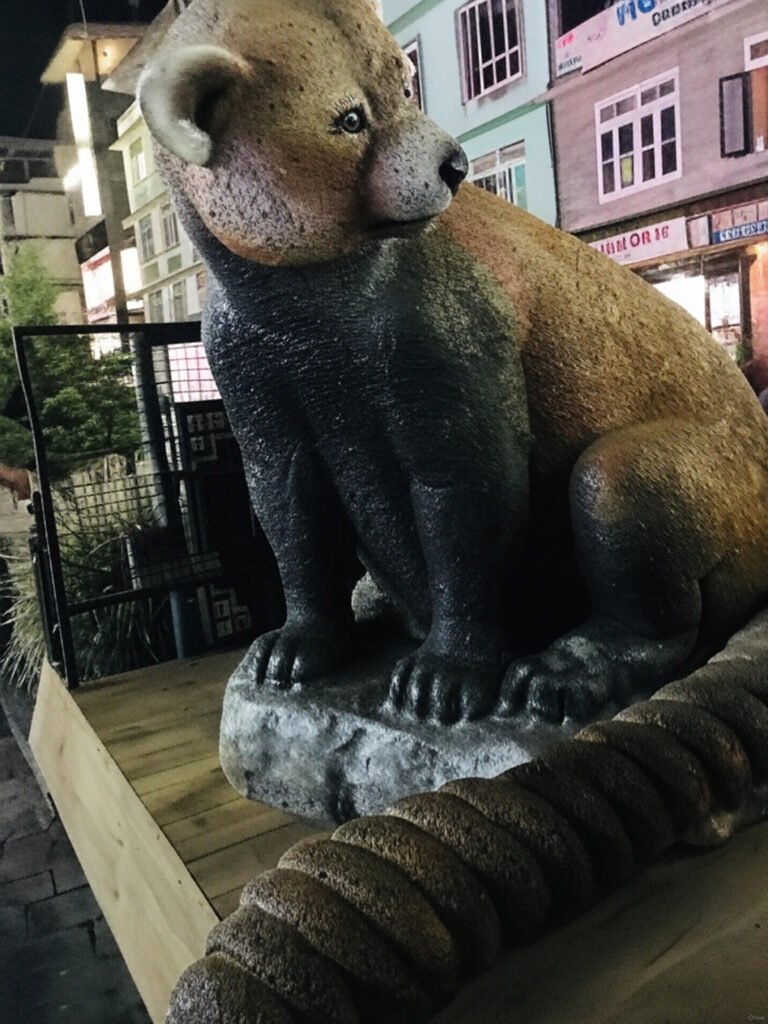
Gangtok is where the journey begins—a bustling mountain town tucked into misty hills and glowing with prayer flags. MG Marg, with its cafés, soft music, and the fragrance of coffee mingled with chilly mountain air, feels like a warm welcome hug.
Spend time strolling leisurely, watching locals greet each other with familiarity, and tourists trying momos for the first time.
Gangtok isn’t just a capital; it’s Sikkim’s personality—modern yet humble, lively yet peaceful.
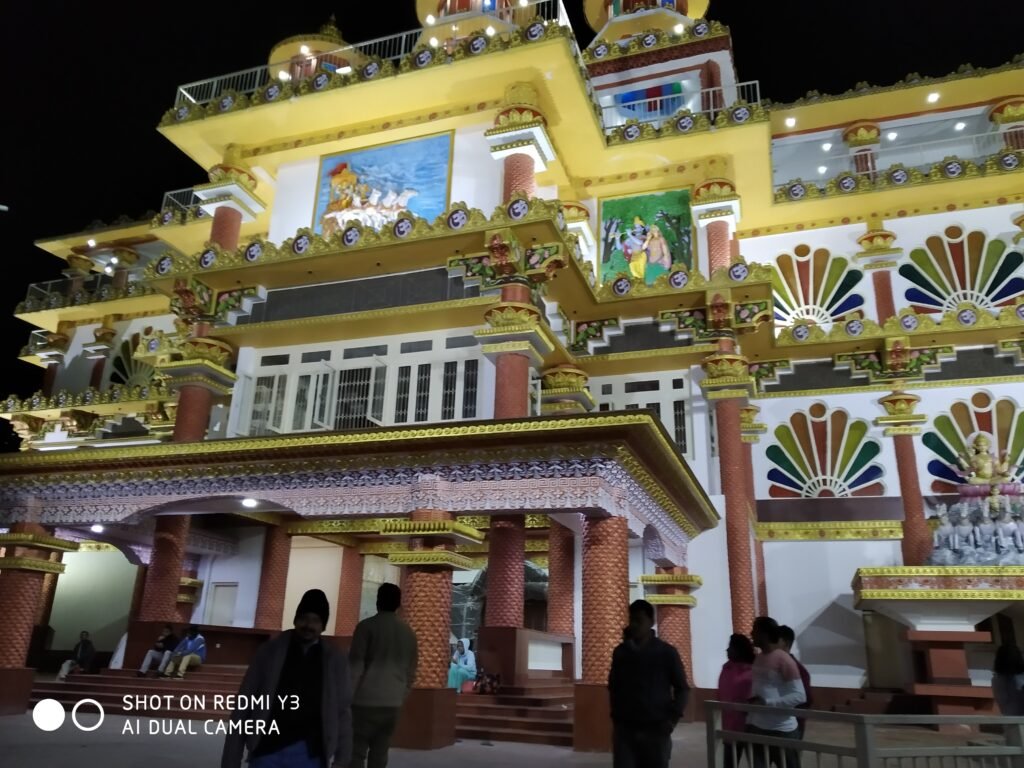
Don’t miss:
- MG Marg walk
- Ropeway ride for panoramic city views
- Tashi View Point for sunrise
- Do Drul Chorten & Namgyal Institute of Tibetology
- Enchey Monastery
- Hanuman Tok, Ganesh Tok & Himalayan Zoological Park
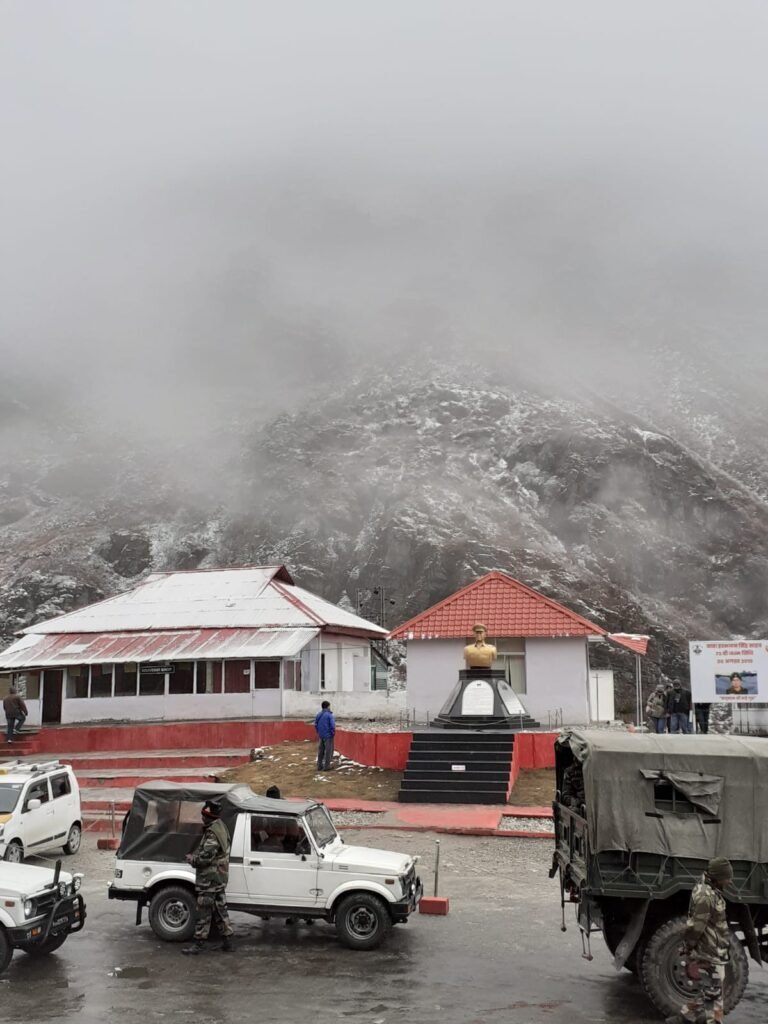
Baba Harbhajan Singh Mandir — A Story Etched in Faith
Tsomgo / Changu Lake — Where Silence is the Loudest Sound
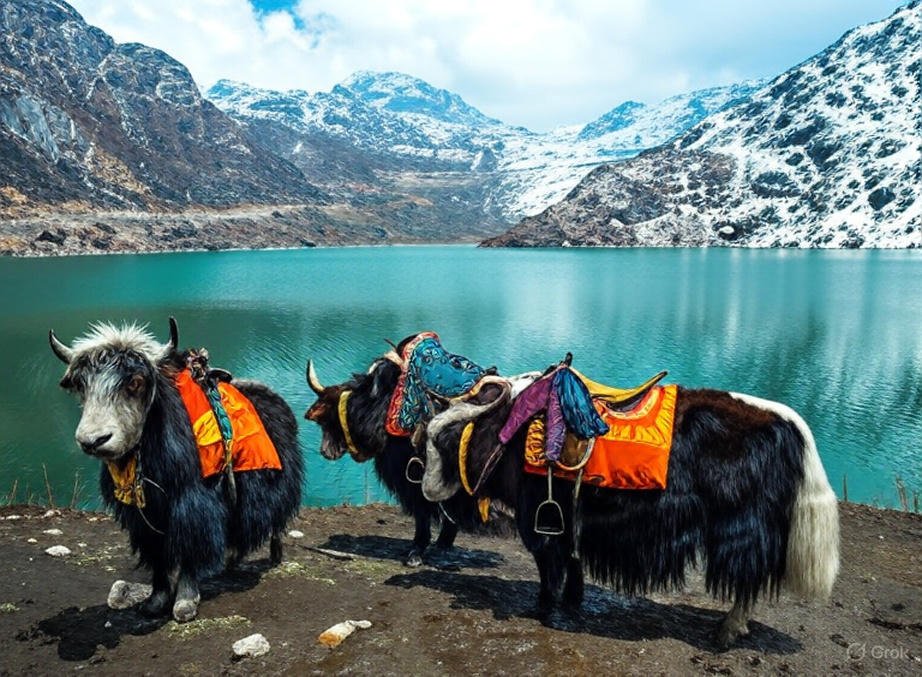
As you drive 35 km uphill from Gangtok, the scenery transforms dramatically. Forests thin out, the air grows colder, and then—almost magically—the lake appears, still as a mirror, surrounded by steep mountains.
Tsomgo is sacred; locals consider it an oracle lake once used by Buddhist monks for predictions.
In winter, it freezes into a sheet of silver. In summer, it reflects the blue sky like polished glass.
You may spot beautifully decorated yaks waiting patiently for tourists and feel the sharp, pure mountain breeze that instantly clears the mind.
Who Was Baba Harbhajan Singh?
Harbhajan Singh was a young soldier of the Indian Army, 23rd Punjab Regiment. In 1968, while escorting a group of mules near the India–China border, he slipped and fell into a glacier stream. Despite massive searches, he could not be found immediately.
A few days later, as the legend goes, Baba appeared in the dreams of his fellow soldiers and guided them to the exact spot where his body lay.
This was just the beginning of the miracle.
Between Tsomgo Lake and Nathula lies one of the most emotionally evocative sites of East Sikkim: the shrine of Baba Harbhajan Singh, an army soldier whose spirit, as believed by locals and soldiers alike, still guards the border.
The atmosphere is quiet, respectful, filled with tales of a soldier who continues to protect his land even after death.
Nathula Pass — Where India Meets China, and History Lives in the Wind
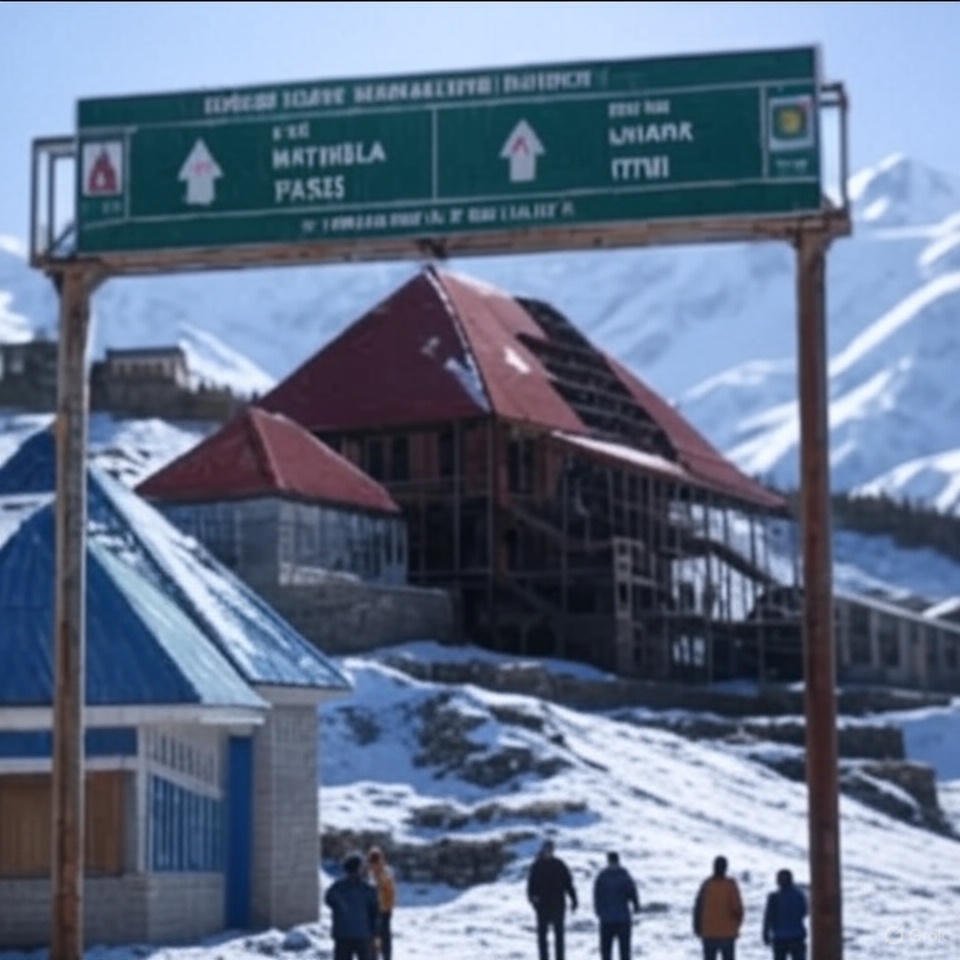
Driving higher into the Himalayas leads you to Nathula Pass, one of India’s most significant Indo–China border points. At 14,140 ft, you stand in fierce winds, on a land where history, courage, and extreme weather come together.
Soldiers greet you warmly, explain the region’s importance, and if the weather is clear, you can even see Chinese soldiers on the other side of the barbed fence.
The air is thin, the temperature often sub-zero, yet the feeling of being there is indescribable—a moment of awe and patriotism.
The Journey to Nathula — A Road That Tests and Rewards
You will pass: forested slopes, rugged cliffs, sharp hairpin bends, military bases, frozen streams in winter, snow walls along the road. This route is shared by military convoys, adding to its intensity and significance. The final stretch to Nathula is steep and narrow, often surrounded by snow on both sides — an adventure in itself!